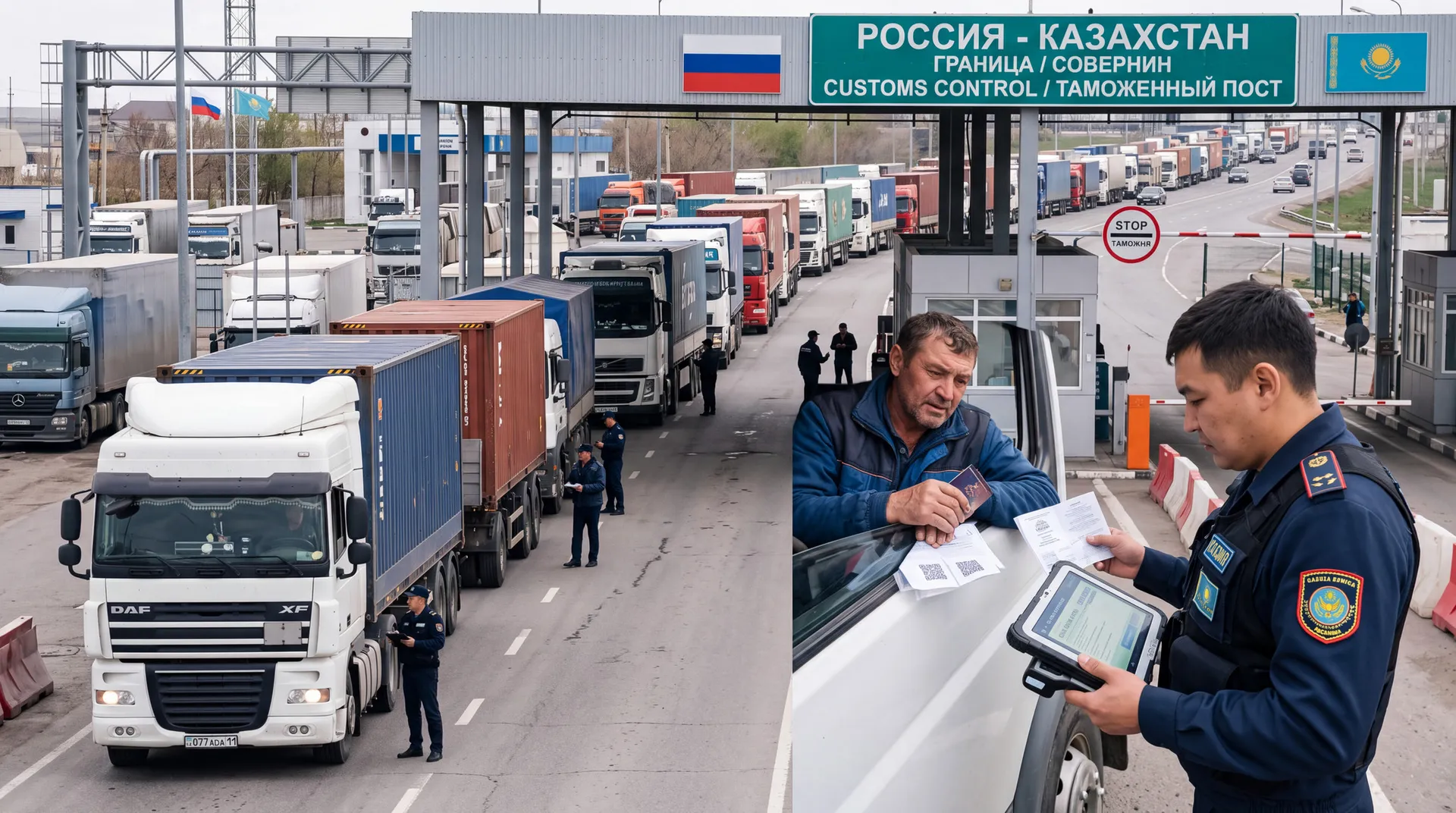
On July 22, 2026, the interim trade agreement between the EAEU and Mongolia entered into force. This was announced by Russian Deputy Prime Minister Alexei Overchuk at the XXII Forum of Interregional Cooperation between Russia and Kazakhstan in Omsk.
The agreement with Mongolia has joined the list of existing EAEU free trade agreements with Vietnam, Serbia and Iran. According to Overchuk, the combined market of these countries is about 380 million people.
"We are focusing on creating free trade zones with the economies of the global South and developing transport and logistics capabilities to deliver our goods to the markets of these countries," said Alexey Overchuk.
Two more agreements are next in line. According to the Deputy Prime Minister, free trade agreements with Indonesia and the United Arab Emirates are expected to enter into force in the near future, but he did not specify exact dates. Negotiations are underway with India, and there is already a positive conclusion from the joint research group on the free trade area with Pakistan, a preliminary step before the start of full—fledged negotiations.
Overchuk also outlined the scale of the ambition: together with its EAEU partners, Russia is forming a common commodity market in Greater Eurasia with a capacity of more than 2.5 billion people, which requires a new level of transport connectivity.
For exporters and importers working with Mongolia, the entry into force of the agreement means concrete practical action — it is already worth checking which commodity items fall under the preferential treatment and which tariff preferences are applied under specific HS codes. It is wise for companies planning to enter the Indonesian or Emirati market to start preparing documents in advance: agreements may enter into force faster than the business has time to adjust logistics and certification to new conditions.