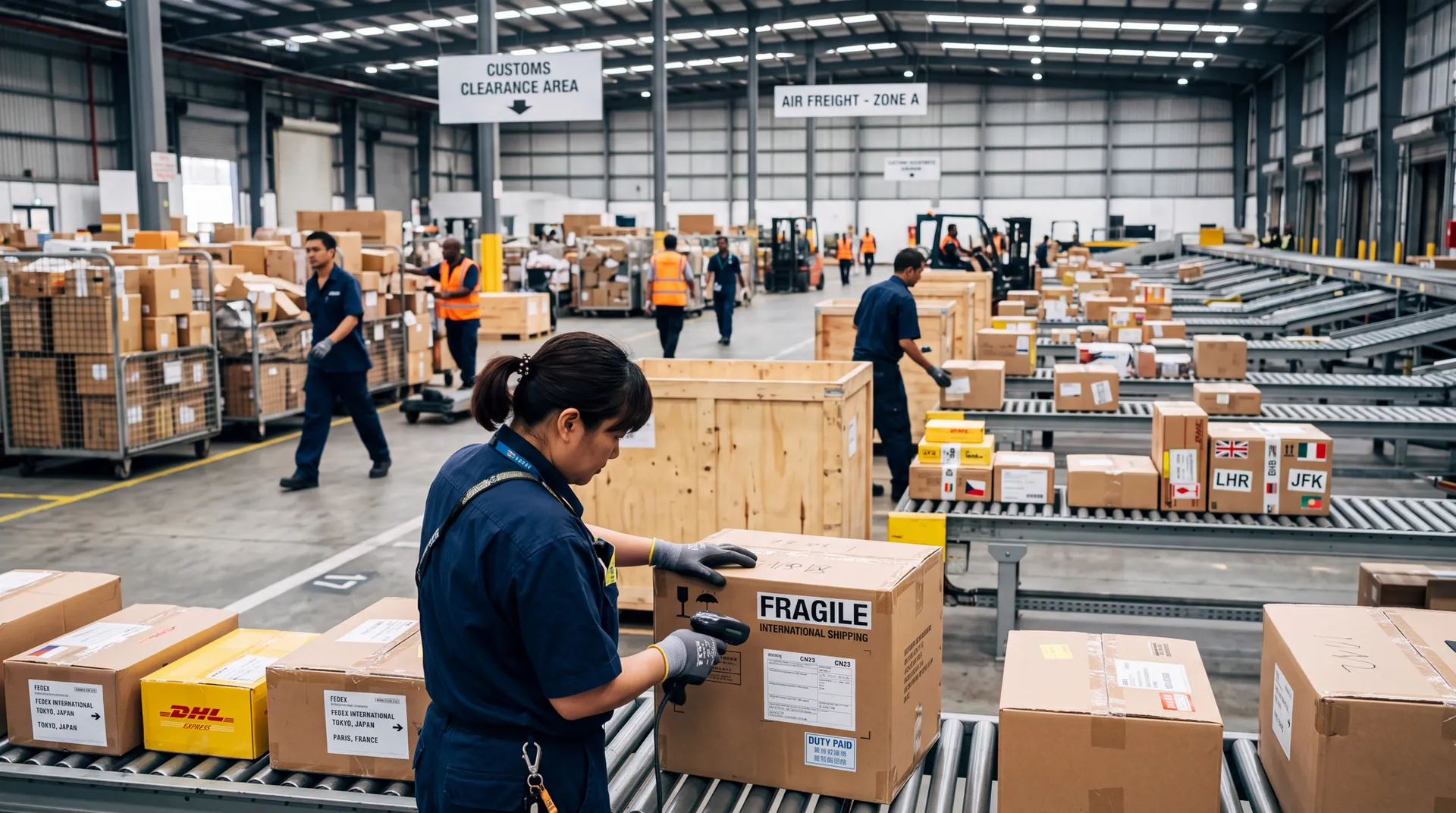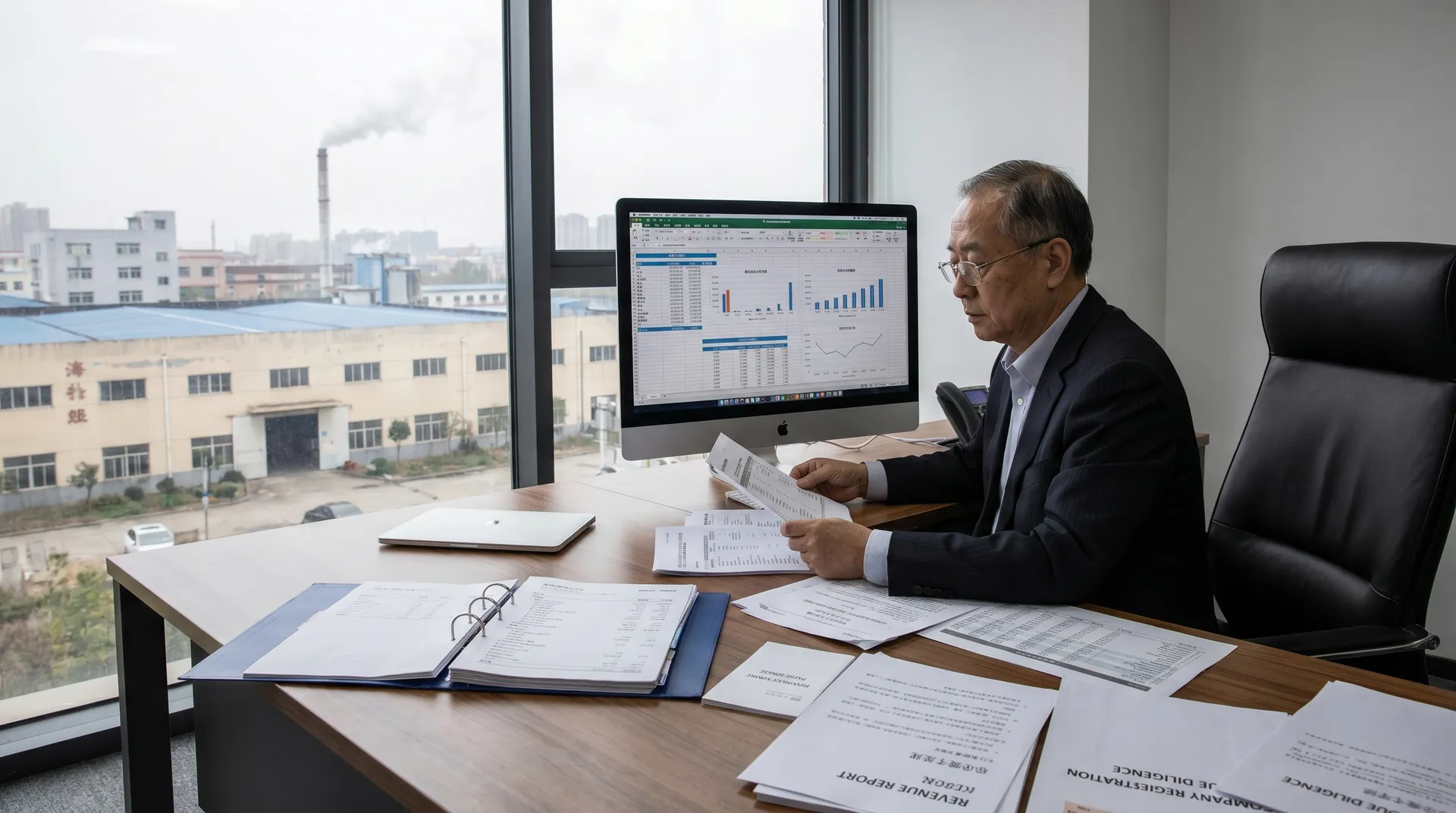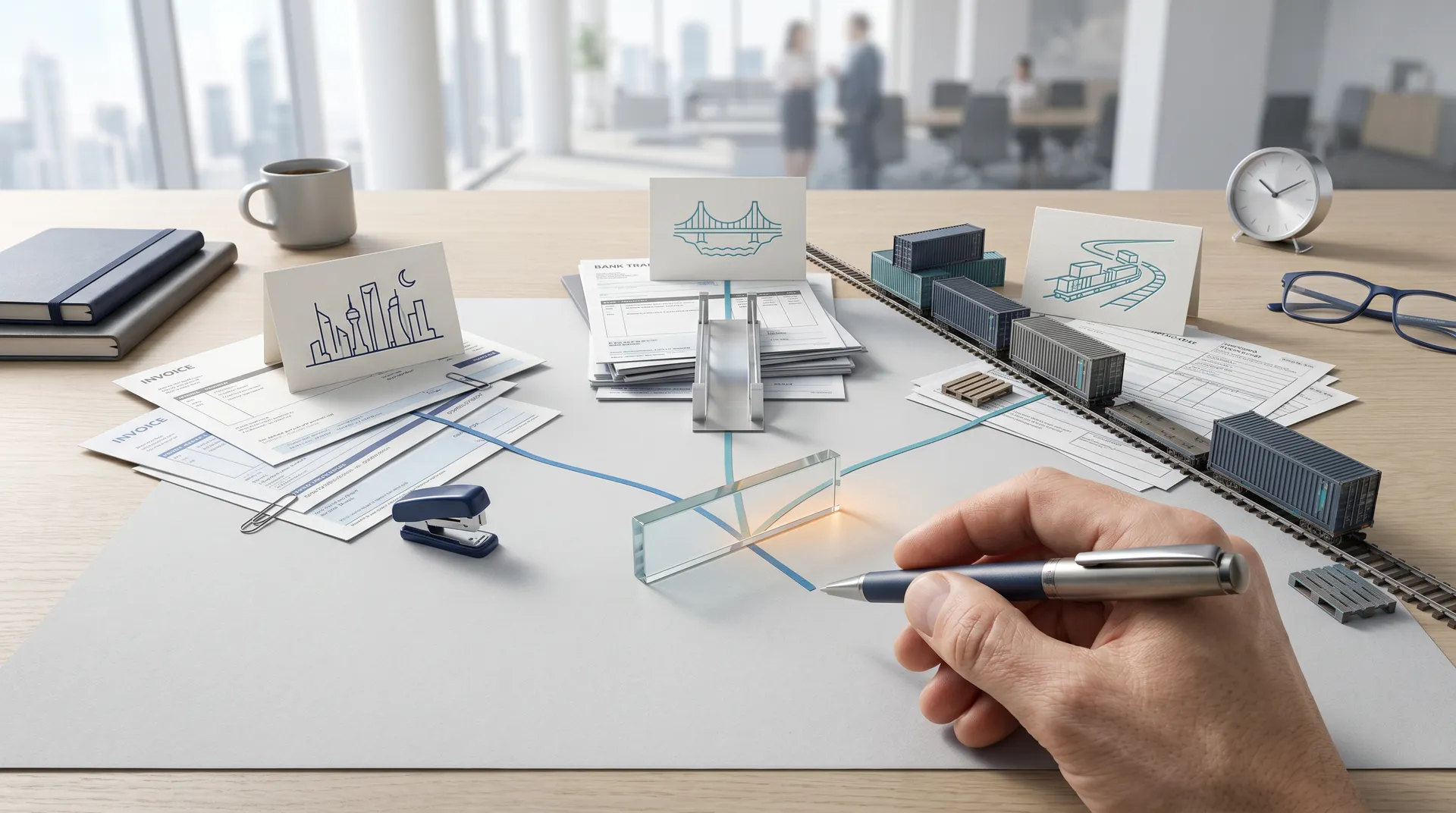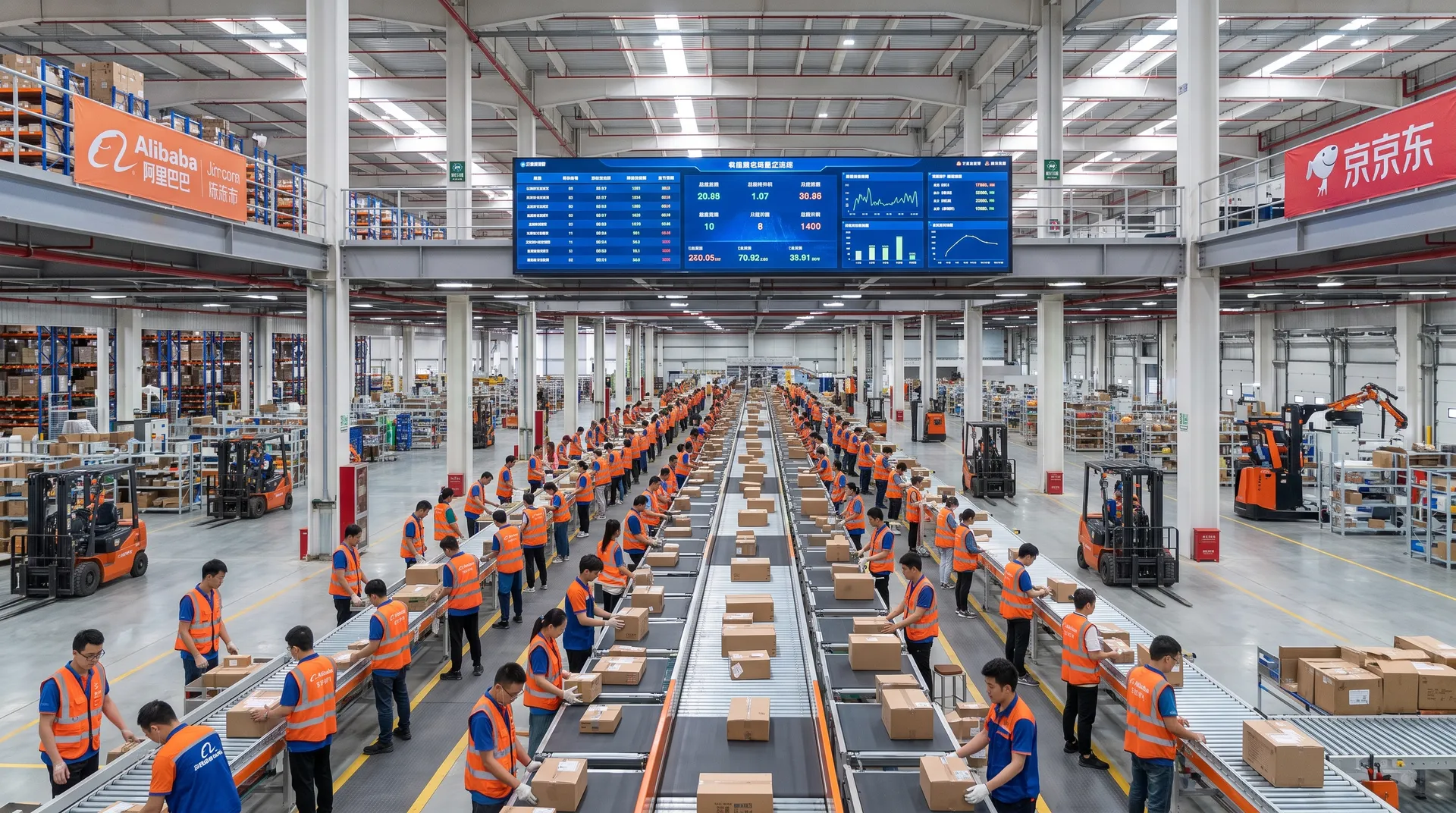
US duties on Chinese goods in 2025-2026 closed the largest export market for most Chinese manufacturers. The Chinese government's response is to stimulate domestic demand. Large platforms have received a government boost and private economic motivation to refocus.
DiDi has invested 2 billion yuan to create local jobs. Baidu has allowed a million companies to advertise for free through AI streams to reach the domestic consumer. Alibaba and JD are expanding subsidies for domestic purchases, boosting consumption that exports used to support.
What does this mean for Chinese manufacturers?
A manufacturer that has been losing the American market is faced with two options: to look for new export markets (including Russia) or to sell inside China with government support. With subsidies and government support, the domestic market becomes preferable, which reduces the aggressiveness of producers in pursuit of export orders at any cost.
Why is it beneficial for Russian buyers
The paradox of the situation is that when Chinese platforms and manufacturers are less eager to export, their negotiating flexibility on external contracts may decrease. But at the same time, competition for Russian orders from agents from other countries is decreasing, who previously also actively worked with these manufacturers under export schemes.
In addition: manufacturers focusing on the domestic market often have inventory balances of export products that they are willing to sell at a discount. For Russian buyers, it is an opportunity to buy high—quality goods at a reduced price with the right negotiations.
What is changing in the negotiation logic
Until 2025, a typical scenario is that a Russian buyer would come to a supplier who would simultaneously conduct dozens of negotiations with American, European, and Latin American clients. The price was high and the flexibility was minimal.
Now: some of the American and European businesses have withdrawn from the Chinese market or reduced their volumes. The Russian buyer is one of the few major foreign customers for a number of manufacturers. This is a real change in the negotiating position.