Brazil has introduced a 60% tax on parcels up to $50 — Shein, Temu and Russian marketplace exporters are under attack

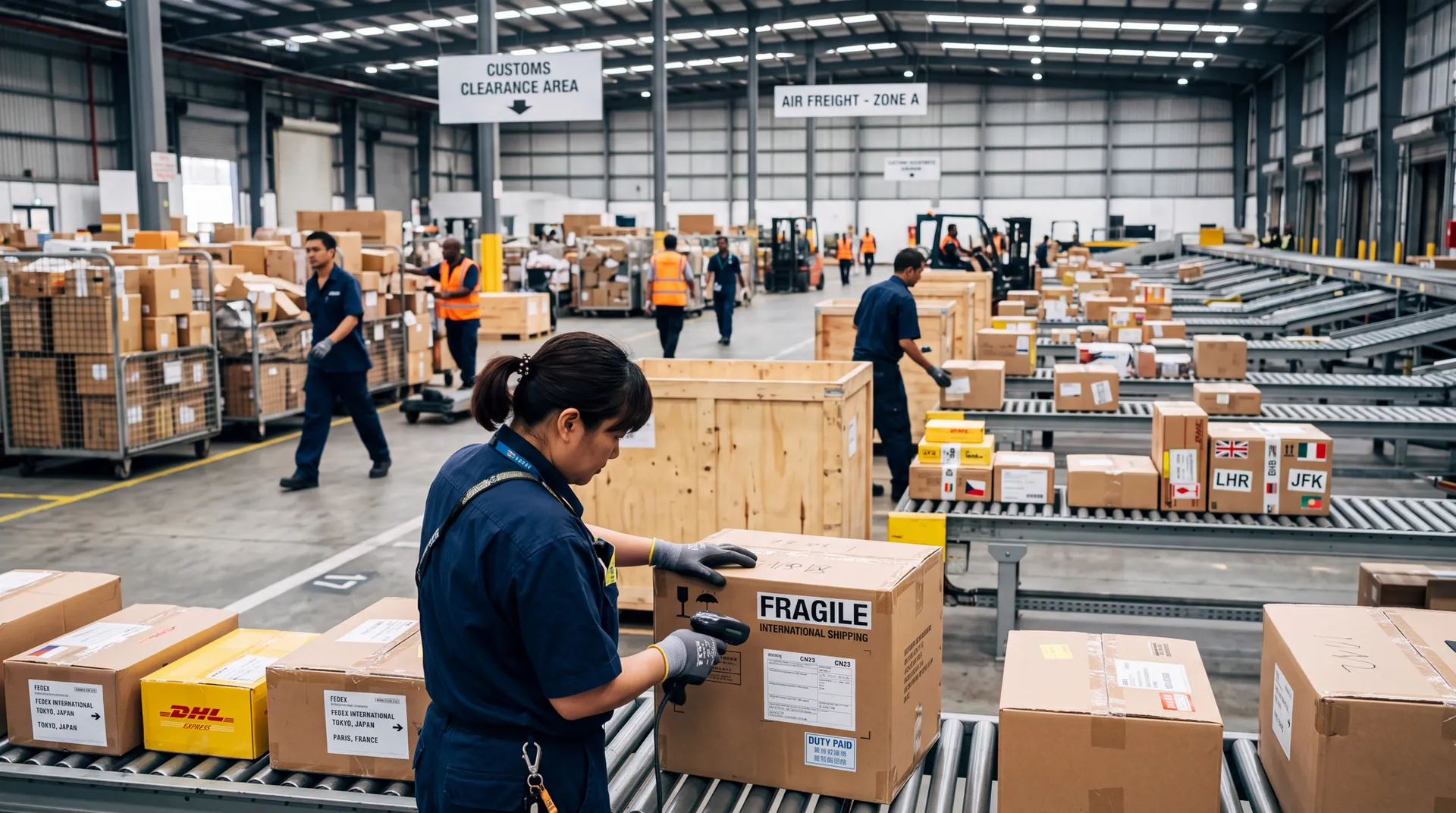
Until recently, Brazil was one of the few major markets where Internet parcels up to a certain amount were completely exempt from import taxes. Shein and Temu used this window as the foundation of a business model: thousands of small parcels from China directly to consumers, bypassing customs clearance as commercial imports.
With the introduction of the 60% tax, this window is closing.
Why exactly 60% and why now
The 60% rate is not accidental. This is a high enough barrier to make the business model of small parcels economically unprofitable, but not prohibitive - if there is a sufficiently valuable product, the tax is still "digested". This is a signal to the market to switch to official commercial imports, rather than an attempt to completely shut down cross-border trade.
The timing is not accidental: Brazil is experiencing tariff pressure from the United States and at the same time responding to tariff competition from Chinese platforms, which have been displacing local retailers through tax arbitration.
How does this affect Russian exporters to Brazil
Few Russian exporters used the direct channel through parcels of up to $50, mainly small companies with cultural content, niche souvenirs, or low—value consumer goods. For them, a 60% tax changes the economics of shipping.
The main channel of Russian exports to Brazil — diesel fuel, fertilizers, metals — does not go through parcels. The introduced tax is irrelevant for these categories.
For whom does this create opportunities
When Chinese platforms lose their tax advantage in Brazil, the competitive field for legal importers is leveled. Brazilian local retailers and official importers who have paid full taxes find themselves at a less disadvantage relative to Shein and Temu.
For Russian companies that consider Brazil as a market for non—primary exports: a legal contract channel has been established, and it is now in a more competitive environment than it was six months ago.
A broader trend
Brazil's introduction of a 60% tax on small parcels is part of a global trend. The EAEU lowered the threshold to 200 euros from July 1. Turkey imposed similar restrictions earlier. South Korea and a number of ASEAN countries are discussing similar measures. The "small package without taxes" model is being closed all over the world, under pressure from both fiscal and competitive arguments.