In an attempt to reduce logistics costs, many companies make the typical mistake of choosing a freight forwarder based only on the lowest price. However, in practice, the "cheap rate" often leads to delays in deliveries, additional costs, and even loss of reputation. Experience shows that the reliability and transparency of a partner's work in logistics is more valuable than short-term savings.
In maritime transportation, reduced freight usually means a lack of available containers, long routes with transfers, schedule disruptions, and additional port charges. The result is that shipments are weeks late and production cycles are disrupted. In trucking, low prices are often associated with work through unverified contractors, old vehicles and lack of control over the status of cargo, which increases the risk of damage to the goods. In aviation, cheap fares often mean long transfers and minimal insurance coverage. Even with customs clearance, savings can result in errors in HS codes and subsequent fines.
The main conclusion is that the financial and time losses from unpredictable logistics almost always exceed the benefits of "cheapening".
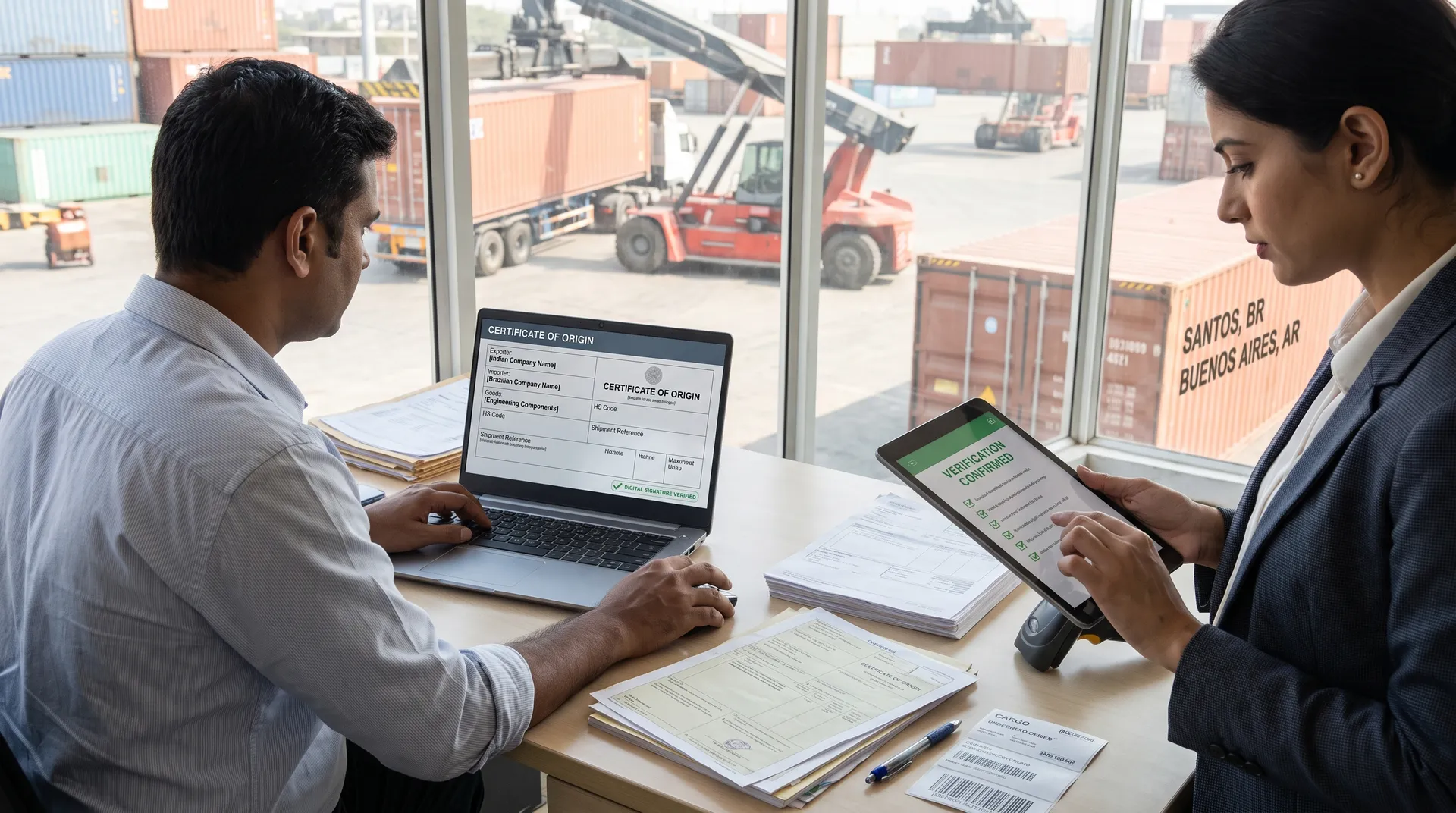
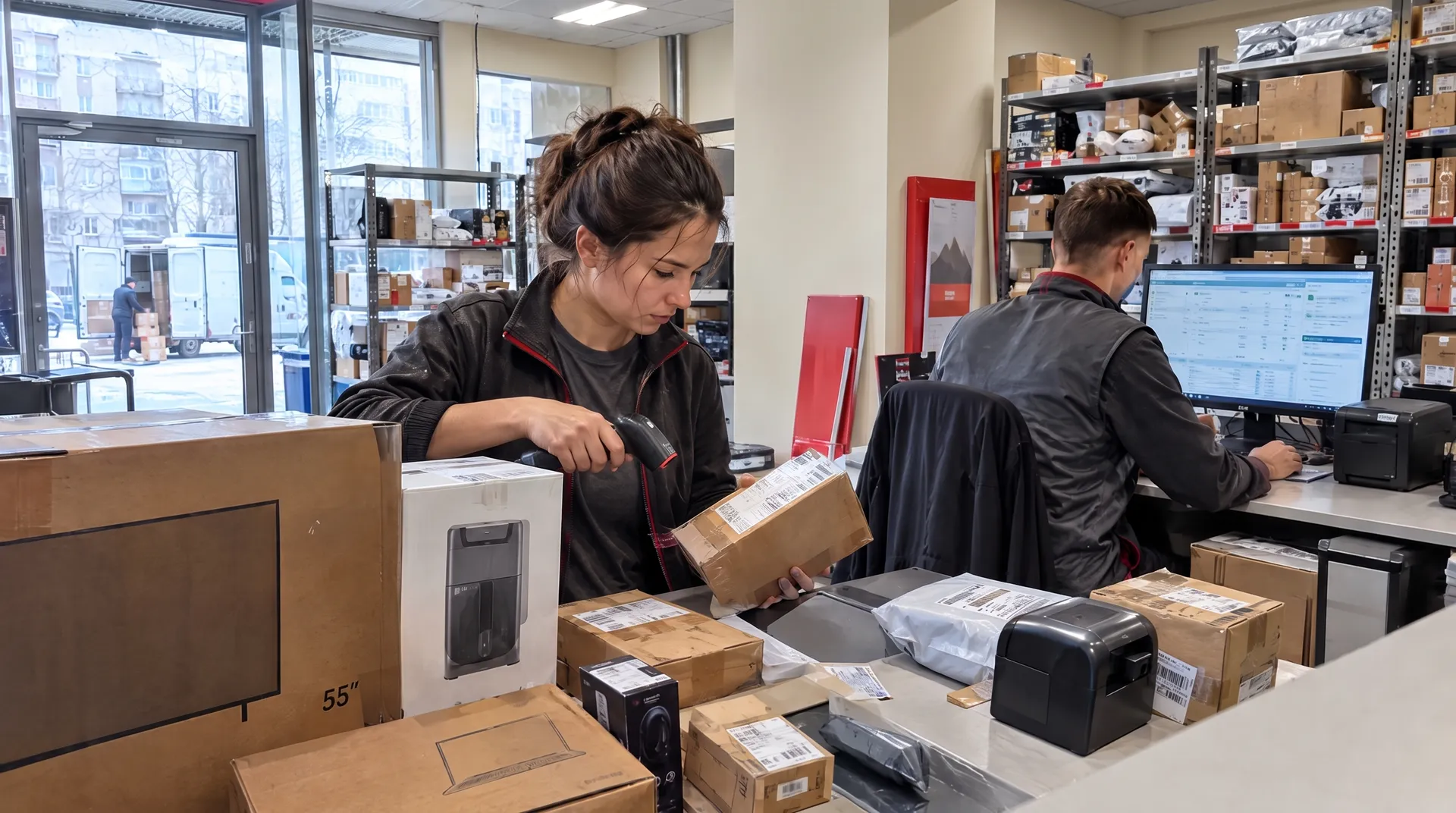
To avoid such risks, it is important to choose a freight forwarder based on a combination of factors, not just cost. A reliable partner must provide multimodal solutions — maritime, rail, road transportation and customs under one responsibility. In addition, the professional approach includes document audit before shipment, transparent calculations without hidden fees, and the ability to monitor cargo status online in real time.
Experienced specialists emphasize that in modern logistics, success does not depend on the minimum bid, but on the stability of the entire supply chain. When a freight forwarder is responsible for every stage — from loading to customs — the company gets not only reliable delivery, but also a protected reputation.
Choosing a logistics partner is a matter of trust, not just price. And it is trust that makes it possible to reduce cumulative risks and ensure business stability.