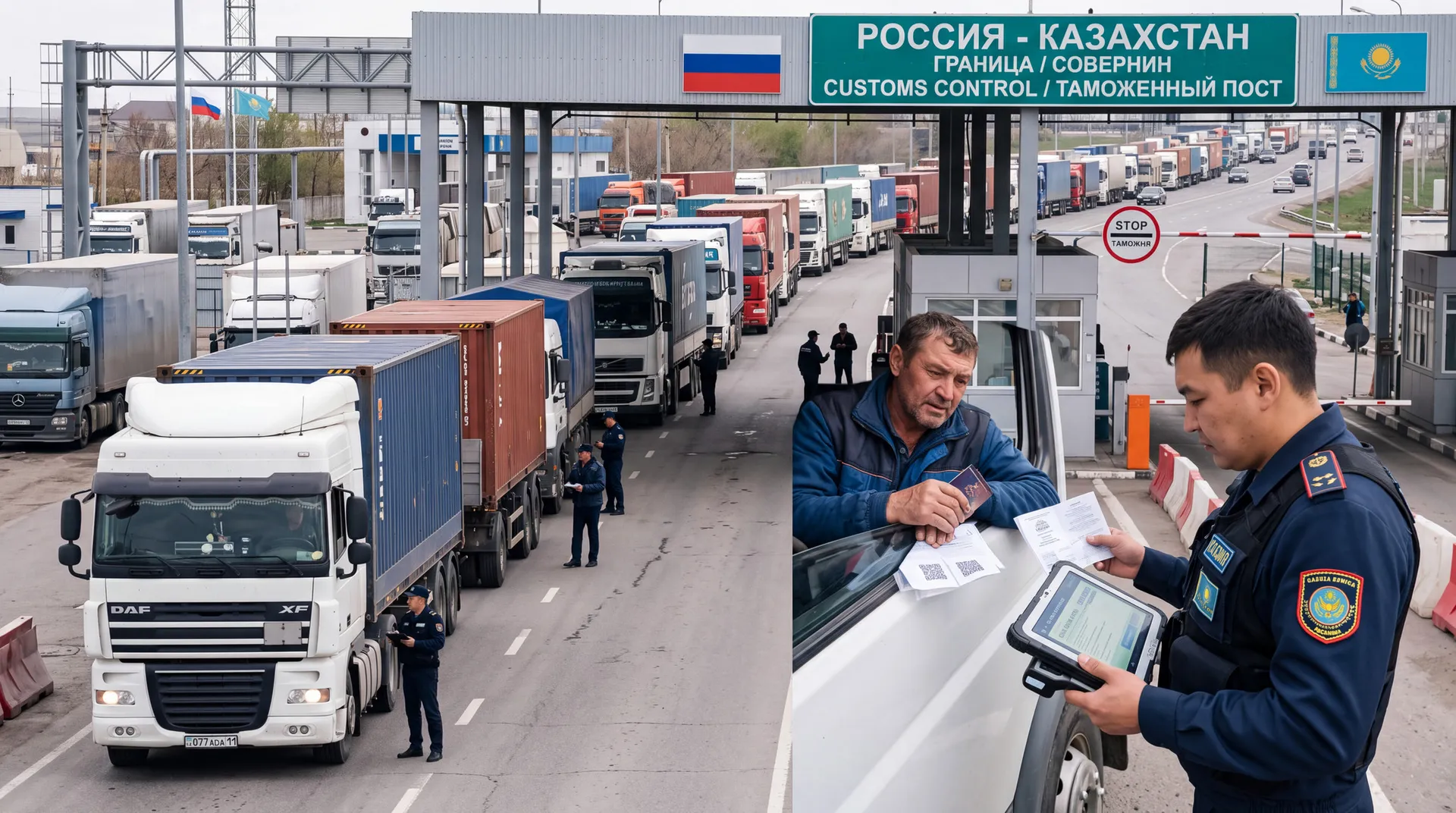
Changes have been made to the Procedure for the application of exemption from customs duties when importing certain categories of goods into the single customs territory of the Customs Union. It has been clarified for which goods the additional procedure for applying the exemption is not required to be determined.
The construction here is two-level. The first level is the benefit itself: the list of categories for which import duties are not paid is established by decisions of a supranational body and operates equally in all countries of the union. The second level is an additional application procedure that describes how the declarant confirms the right to benefits and how customs controls the intended use of the goods after release. In terms of items, this second level turns out to be redundant, and it is now being removed for a specified range of goods.
For the declarant, the difference is felt in three areas. The first is a set of documents for the declaration: part of the confirmations goes away, the package becomes shorter, and the likelihood of requesting additional information decreases. The second is the release date: The fewer documents the inspector checks, the fewer reasons there are for additional checks and downtime of the batch at the temporary storage warehouse. The third is post—control: there are no obligations for the intended use and related reporting on these items.
What to do before the next filing of the declaration. Write down the items for which you claim the benefit and compare them with the updated list. The work takes an hour, and the result affects each subsequent delivery. If an item is included in the list, bring the internal regulations for preparing documents into line: continuing to collect cancelled confirmations by inertia means wasting employees' time and keeping documents in a set that the inspector can begin to check with the invoice.
A separate area of attention is goods that have already been released with benefits according to the previous rules. Their intended use obligations remain as they were on the date of release, and it is too early to remove control over these shipments.