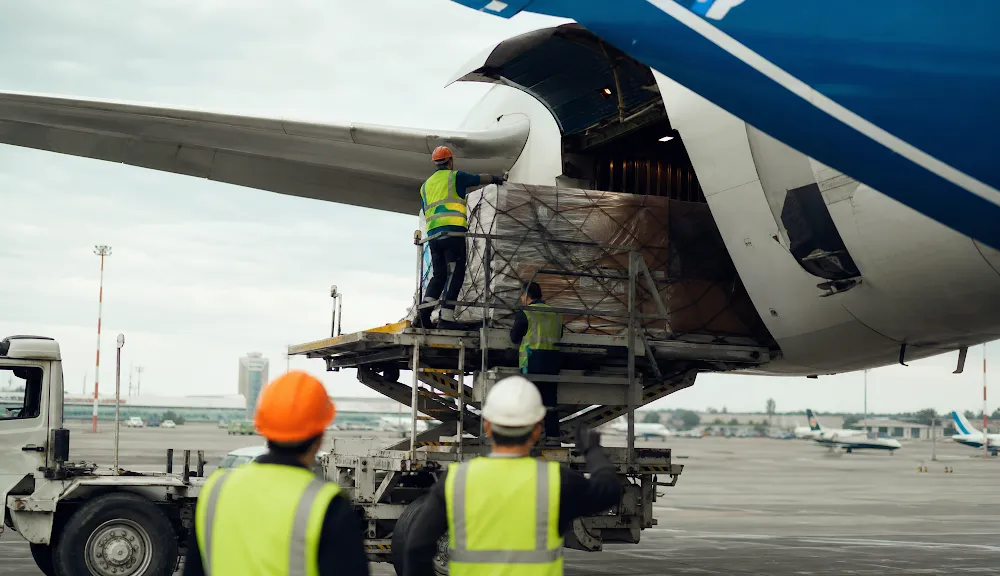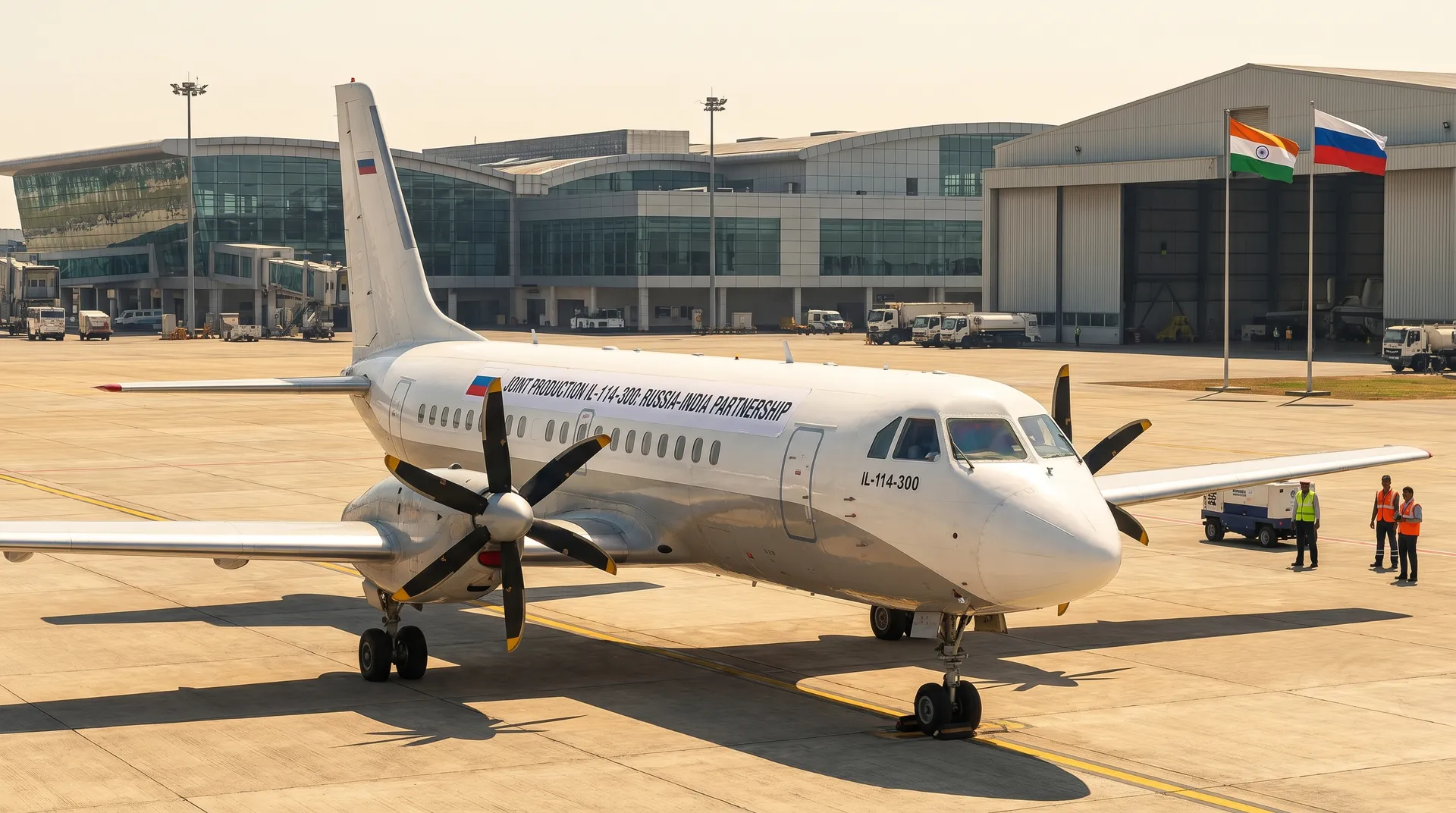
Il-114-300 — Russian regional turboprop aircraft for 68 passengers. The maximum range is 1,500 km. It is designed for transportation between small airports, including those with unpaved or short lanes. The first flight of the production machine is in 2023, commercial operation begins in Russia.
For India, with its huge domestic market and several hundred small airports, this is a potentially ideal niche. The country is actively developing regional aviation under the UDAN program: subsidized flights to small cities where other carriers are unprofitable.
Why now?
Two factors make the moment convenient for the Russian offer.
The first: India under US tariff pressure (50% duty) It is actively looking for alternative sources of technology and industrial partnerships. Traditional Western suppliers — Bombardier, ATR — are not perceived as reliable long-term partners in the current geopolitical context.
Secondly, the death of three Indian sailors off Hormuz today, June 11, strengthens New Delhi's political momentum towards rapprochement with Russia. Symbolic and practical steps towards an in-depth partnership are now finding a response.
What does "co-production" mean?
In the Russian-Indian context, this usually means that the Russian side supplies aircraft components, engines and technologies, and the Indian side organizes assembly on its territory. There is a precedent for the joint production of Ka—226T military helicopters in India.
For civil aviation, the scheme is more complicated: certification according to Indian DGCA standards, adaptation to local climatic conditions, and the creation of a service network are needed. These are years of work, not a quick deal.
Economic meaning for foreign economic activity
For Russian companies in the aviation industry and related industries (engine building, avionics, airline components): a potential export channel to India with a long-term horizon.
For non-aviation business: negotiations on Il-114-300 — It is a signal that Russian-Indian cooperation is shifting from trade in raw materials to industrial cooperation. This is a fundamentally different level of partnership and, consequently, a different level of stability of trade relations in general.