After 2022, the demand of Russian companies for business registration in Kazakhstan has increased dramatically. Consulting structures operating in the country even before the sanctions pressure recorded a multiple increase in the number of staff and turnover. At the same time, cross-border settlements between Russia and Kazakhstan have tightened, which has already affected the ownership structure in the industry.
By 2022, 1C-WiseAdvice's Kazakhstan office had fewer than ten employees. The company opened it back in 2018 and almost did not invest in local promotion: clients came through a Russian business that needed accounting support in several jurisdictions at once.
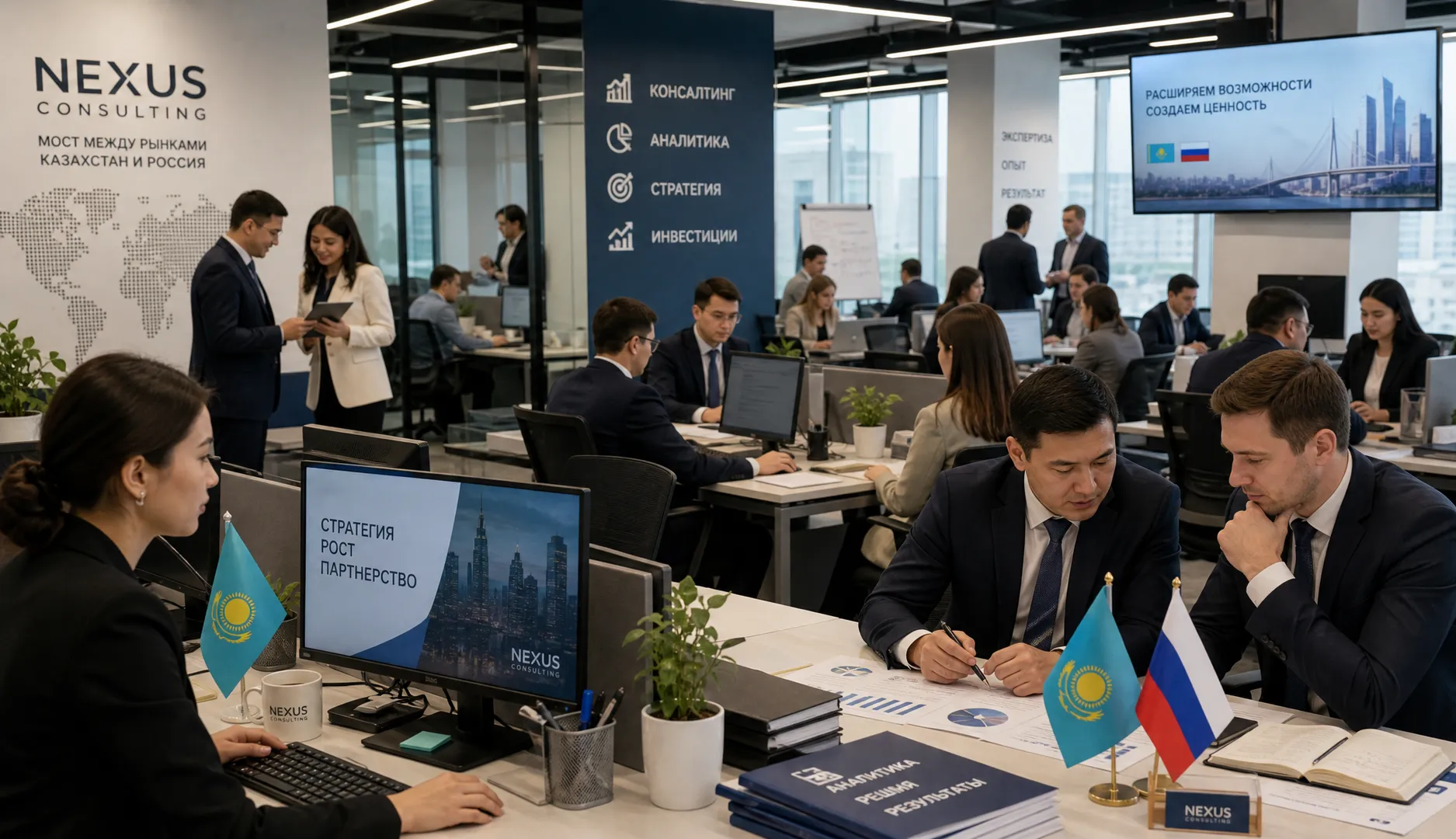
The situation has changed dramatically. Russian companies urgently needed help with starting a business in Kazakhstan, and 1C—WiseAdvice refocused marketing on registering legal entities, providing legal addresses, and subsequent accounting services. The Kazakhstan division has grown significantly in terms of staff and turnover, although specific figures have not been disclosed.
However, cross-border settlements between Russia and Kazakhstan have become more complicated over time. The founder and CEO of 1C-WiseAdvice, Alexander Rulkov, explained it bluntly.:
"Due to the sanctions, it has become more difficult for the company to transfer money between Russia and Kazakhstan."
In the spring of 2025, against this background, it was decided to sell the Kazakh subsidiary. 1C-WiseAdvice acted as the buyer. In fact, the deal with Sberbank reorganized the asset within the industry, removing the Russian owner with difficult access to cross—country transfers from the chain.
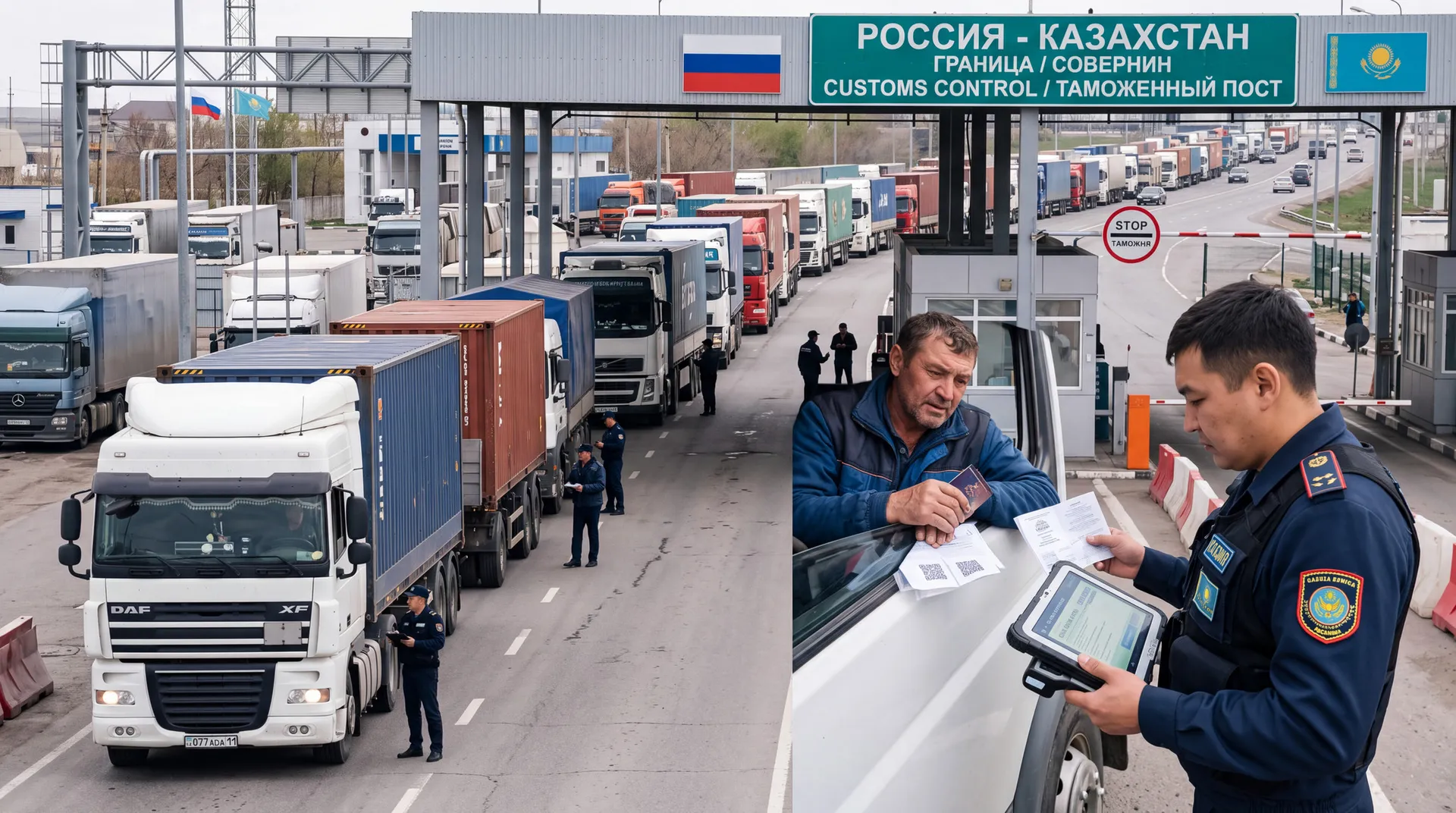
The problem of settlements between Russia and Kazakhstan is not a special case of one company. Russian importers and exporters using Kazakhstan as a transit or operating jurisdiction face the same restrictions: Kazakh correspondent banks, under threat of secondary sanctions, are tightening compliance, and payment chains are lengthening.
The next step for 1C-WiseAdvice is Uzbekistan. According to Rulkov, Kazakhstan alone is not enough for Russian business. Uzbekistan is considered as an independent destination, rather than a duplicate hub, which reflects a broader trend: companies operating in the EAEU and CIS markets are diversifying their operational presence across several jurisdictions at once in order to reduce dependence on a single payment corridor.
Similar materials on the website
- How to pay in the Russia — Mongolia — China triangle: currencies, schemes and pitfalls — the same problem in the neighboring direction, with the analysis of working settlement schemes
- Account blocking under 115-FZ: how does a foreign economic activity company get into the blacklist of banks - and is it possible to get out of it — what does the tightening of compliance by a Russian bank look like
- Cross—border payments in foreign economic activity: business gathers practice in 2026 - which payment tracks are working now and where they are breaking