TNPA will have the right to independently make investment decisions on infrastructure and superstructure, as well as independently manage revenues from port activities. Transnet will retain control of Transnet Port Terminals, but with significantly reduced investment authority.
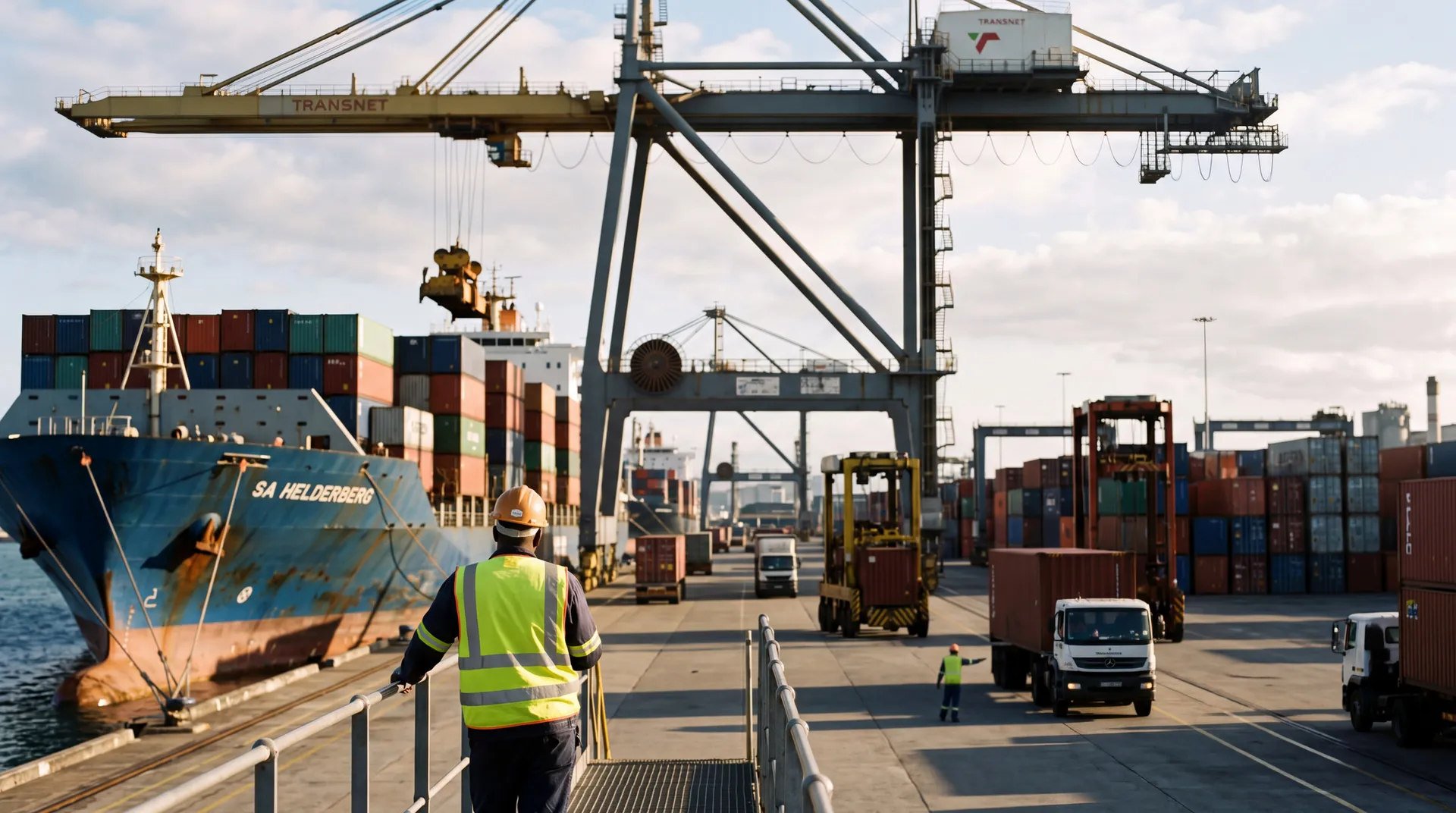
The ports of Durban, Cape Town, Koega and Port Elizabeth have been plagued by congestion and disruptions for years. Some of the problems are seasonal: storms and strong winds at the Cape of Good Hope regularly force the closure of ports during the winter months. However, chronic inefficiency in calm weather — a consequence of worn—out equipment, poor organization of ground operations and conflicting labor relations - is the responsibility of management.
The South African Freight Forwarders Association (SAAFF) supported the reform, but warned that success depends on the quality of its implementation. In the weekly update, the association formulated three conditions:
"(1) an independently conducted asset valuation, (2) allocation of liabilities, and (3) management mechanisms that protect investment potential, ensure port revenues, support port development, and align tariffs with effective costs and measurable service quality indicators."
SAAFF also insists on a systematic approach: "The reform should promote a systematic approach in which ports, terminals, railways, highways, and border processes are coordinated around shared responsibility for the time, cost, and reliability of cargo movement."
For participants in international trade with South Africa, the practical significance of the reform will be determined by the correct differentiation of assets and debts between TNPA and the remainder of the Transnet group. The independence of the port regulator opens up the opportunity to attract external investments in the berthing and storage infrastructure, which in the previous structure was blocked by the consolidated balance sheet of the group.
However, port congestion is not only a management problem. Even Singapore, Shanghai, and Ningbo face periodic congestion despite their high operational efficiencies. The reform removes the institutional barrier, but does not remove the physical limitations of terminal capacity.
Real changes in the ship's schedule, container handling standards, and customs clearance deadlines will appear later — after the completion of corporatization and the first independent TNPA investment cycles. Cargo owners and forwarders building supply chains through South African hubs should establish a transition period while maintaining current buffer stocks on time.
Related materials:
- Cape Town has reduced the waiting time for ships from 115 to 44 hours, which has already been provided by private operators in South African ports.
- Specifics of logistics with Africa and the BRICS countries — how to arrange supplies through African ports
- China has reset duties for 53 African countries: Hunan targets 12 billion — where does the growing cargo flow come from in the ports of South Africa