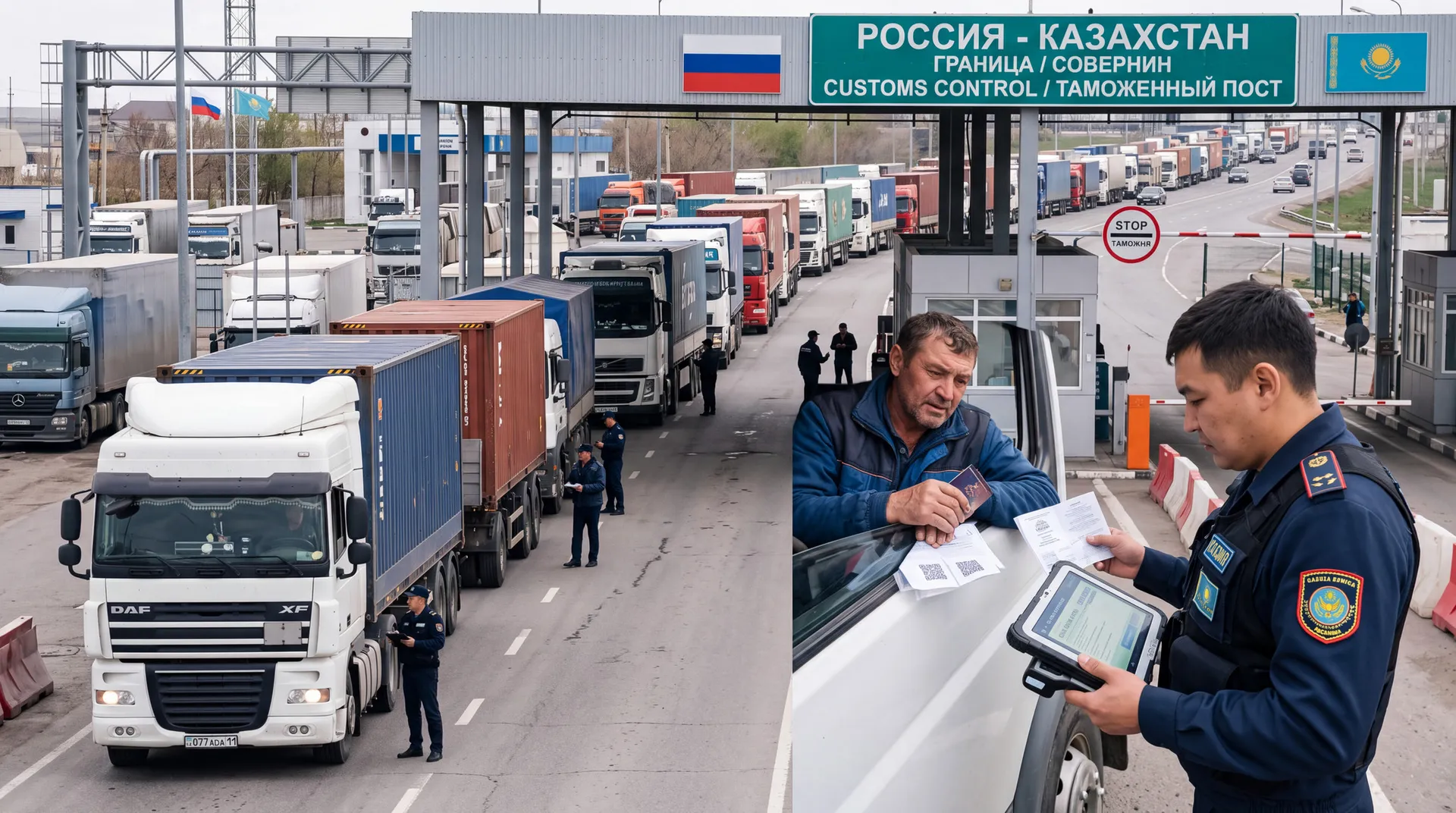
On August 25, the Cabinet of Ministers of Latvia approved a decree banning the import of a number of industrial goods from Russia and Belarus. The restrictions will take effect on September 1, 2026.
The ban includes printed books, newspapers and other printed products, clothing and other finished textiles, shoes, hats, as well as toys, games and sports accessories. The amendments adopted by the Seimas at the end of July became the legal basis: they give the government the authority to impose national restrictions on goods from these two countries. The July decision set the ban itself, and the August decision set the date of its launch.
Practically an important part of the decree concerns the origin. The ban applies not only to direct shipments, but also to goods of Russian and Belarusian origin imported from third countries. Re-export schemes through intermediary countries are subject to restrictions along with direct shipping.
The Latvian side explains the decision for reasons of national security, reduction of export revenues of Russia and Belarus, and restrictions on the import of certain printed materials. Separately, the government noted that the prohibited goods are not unique and have a sufficient number of alternatives in other markets.
For the Russian exporter of clothing, shoes and toys, this means the closure of one of the sales channels in the EU and the loss of Baltic transshipment for goods of these groups. For those who used Latvia as a transit point for further distribution within the Union, the scheme stops working at the end of the week.
What to do before September 1st. Check all shipments en route and in warehouses in Latvia to see if they have time to pass customs clearance before the ban comes into effect. For contracts with Latvian buyers, raise the conditions of force majeure and the procedure for termination: the restriction is imposed by an act of a foreign state, and the distribution of losses depends on the wording of the contract. According to schemes with transshipment in third countries, do not count on bypassing: the criterion of origin of the goods, not the route.