The salary of PVZ operators in the Moscow region in March–May 2026 increased by 23% year—on-year to 42,300 rubles per month. According to the Association for the Development of a network of pick-up points, staff costs across the network increased by 12% year-on-year. In monetary terms, the increase is several thousand rubles per month per employee, depending on the region and staffing table.
Ozon is simultaneously reducing the fixed remuneration of partners. Starting from June 1, 2026, the base rate for the Maximum Brand PVZ has been reduced from 5-6% to 3.4–4.9%. Starting from October 1, the indicator will drop to 1-2.5%. At the same time, consumer spending decreased by 3.7% year—on-year in the period from June to August 2026 compared to the three previous months, according to SBERINDEX data. Saturation of the PVZ market in large cities leads to a redistribution of orders between locations and an additional decrease in the profitability of each of them.
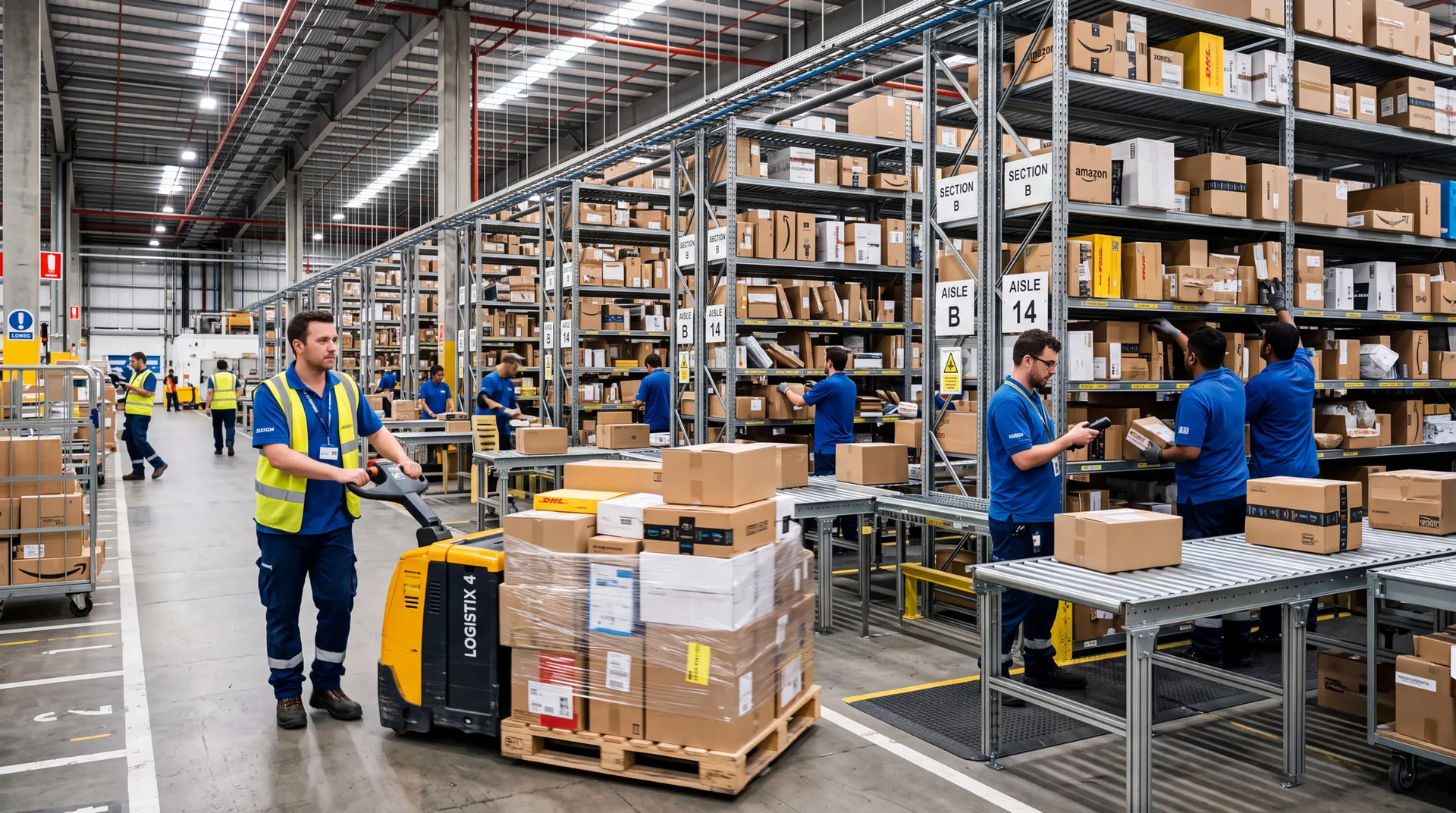
Against this background, both major marketplaces announced the expansion of their logistics infrastructure through their partner network. Wildberries has launched two formats: partner fulfillment centers (PFCs), where goods are accepted, stored and collected before being transferred to the sorting center, and partner goods collection points (PPTs), which operate without storage — parcels immediately go further down the chain. Ozon plans to turn more than 80,000 PVZS across the country into mini logistics centers where sellers can place goods and buyers can order them directly from the nearest point. Since mid-October, the marketplace has also been launching cross-docking: the seller delivers the product to the nearest warehouse, and the site independently redistributes it to the desired point in the network.
Investments in the transition to new formats are significant. Opening a partner point for receiving goods will require up to 1 million rubles, including repairs, purchase of warehouse equipment, and monthly payments before breaking even. The potential profit is up to 500,000 rubles per month, depending on the location and download, and the payback period is about six months. The partner fulfillment center will cost at least 5 million rubles: warehouse rental, sorting organization and related costs. Net profit can reach 3 million rubles per month, with a payback period of at least 12 months. The sales season and the New Year's Eve period in September–December 2026 are able to accelerate the return on investment due to the traditional increase in the volume of orders.
The new formats are most attractive for owners of existing PVZS, logistics operators and courier services with a turnover of each site starting from 1 million rubles. For the rest of the market participants, taking into account rising costs, lower remuneration rates and falling consumer demand, the transition to the mini—hub format increases the financial burden without a guaranteed increase in profitability. The average storage area is 40-50 square meters. m., and the organization of a full-fledged warehouse cycle on such a site will require shelving, automation systems and additional cameras for photo and video recording.
Related materials:
- PVZ of marketplaces will be included in the tax base by cadastral value from 2027 — what tax will be added to the expenses of the owner of the PVZ in 2027
- Ozon will automatically charge carriers 21 rubles per minute for downtime — how Ozon changes conditions for logistics partners
- Warehouses are on fire, the algorithms continue to work. What should the importer and the seller do — humanly and legally — what does the seller risk by keeping all the goods in large warehouses