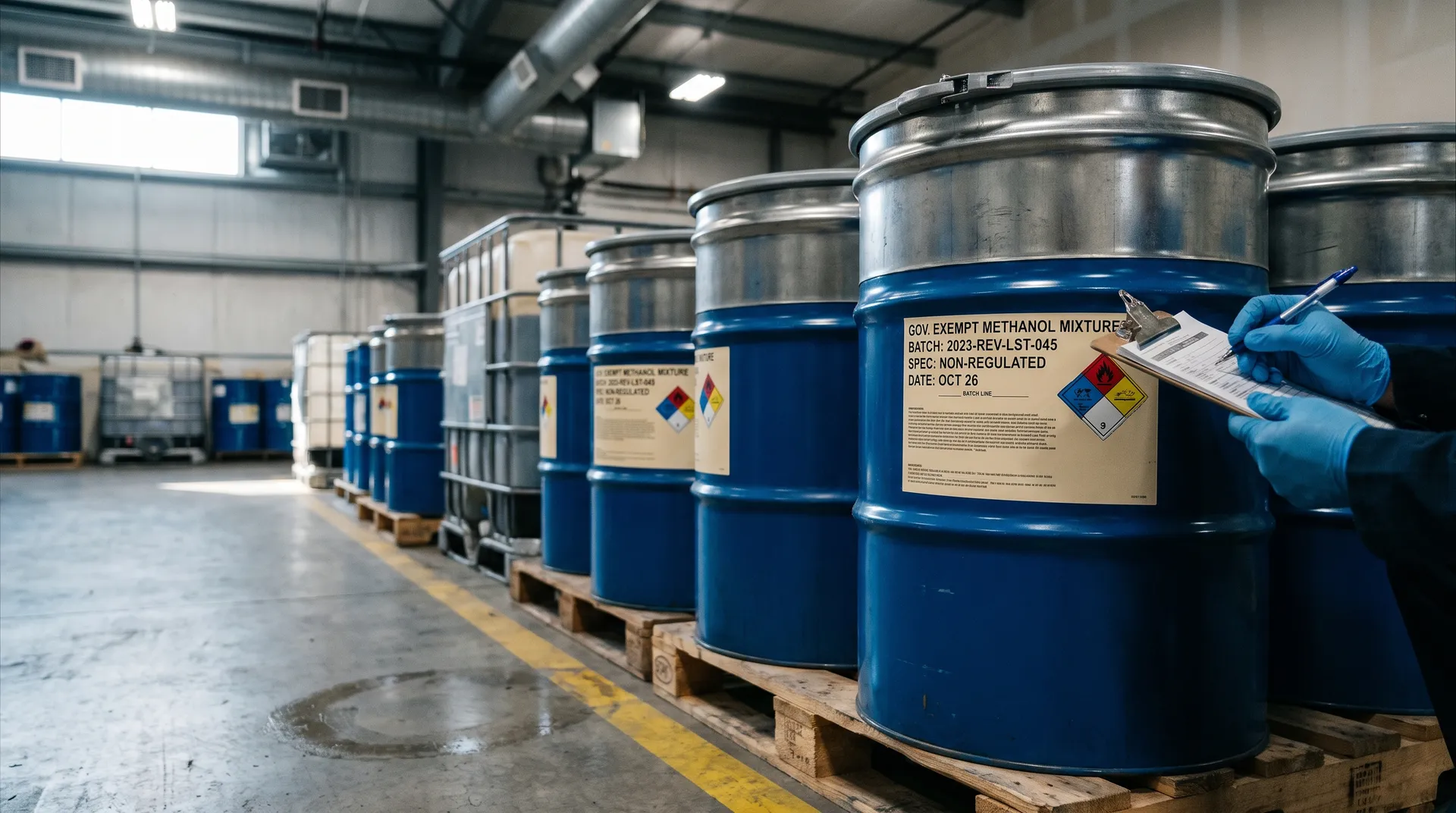
By Decree of the Government of the Russian Federation No. 2186-r dated 08/18/2026, a new list of methanol-containing liquids was approved, which are not covered by Federal Law No. 108-FZ dated 05/23/2025 on state regulation of methanol turnover. The list is valid from August 18, 2026.
Amides, their derivatives and salts, waste organic solvents, alcohol-based non-stick coatings, formidone and paint and varnish solvents have been removed from the list of exceptions. Everything that falls off the list is automatically returned to the general methanol turnover regulation regime with all related accounting, document management, and handling requirements.
At the same time, the list was expanded. It includes the absorbents M and H, isobutylene, butane, propylene and trimethylcarbinol fractions, methyl acetate, hydrogen sulfide absorber, alkylphenolic resin, dimethyl carbonate and a liquid fraction of low-boiling substances. For companies working with these positions, the requirements, on the contrary, are removed.
The basic law on methanol has been in force since March 1, 2026 and is built around the control of trafficking of a life-threatening substance.: accounting for shipments, requirements for market participants, and restrictions on sales. The exclusion list is the mechanism that separates industrial chemicals from products that pose a direct risk.
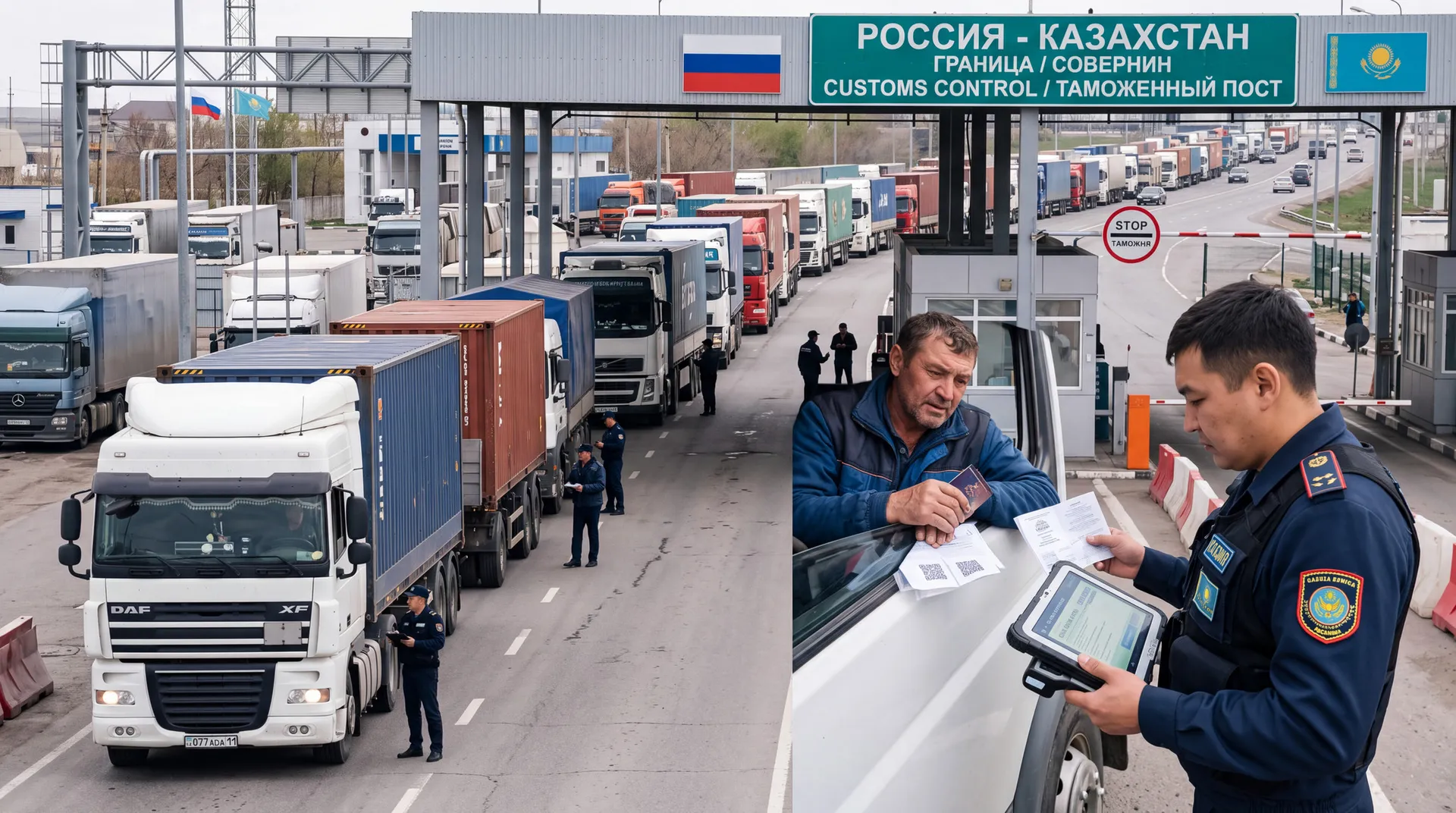
For a participant in foreign economic activity, the practical consequence is simple, but unpleasant in terms of timing. It is not the name in the contract that needs to be checked, but the actual composition and technical specification: the liquid entering the regulated mode is determined by its characteristics, and not by the convenient name in the invoice. A shipment issued in July according to the previous logic and a shipment of the same product in September may require different sets of documents.
There are three steps to take before the next shipment. Compare each item of the chemical nomenclature with the new edition of the list. For the dropped items, request a safety data sheet and an updated specification from the supplier. And check with the broker in advance what additional documents will now be required for the issue — it is more expensive to find out at the temporary storage warehouse.